

What to Pack for Comfortable Travel in Tropical Climates
Preparing for a tropical getaway requires thoughtful packing to ensure comfort in hot, humid conditions while maximizing luggage space for both essential items and vacation purchases that will make your journey memorable without the burden of overpacking or missing critical comfort items.
Essential Clothing for Tropical Destinations
Lightweight, breathable fabrics should dominate your tropical travel wardrobe, with natural materials like cotton, linen, and bamboo offering superior comfort by wicking moisture away from your skin and allowing air circulation during sweltering afternoons or humid evenings.
Opt for loose-fitting silhouettes that won’t cling to your body when temperatures rise, including flowing dresses, relaxed t-shirts, and shorts or pants with elastic waistbands that provide flexibility for various activities from beach lounging to city exploration.
Pack items that can transition from day to evening with simple accessory changes, such as neutral-colored shorts paired with different tops or versatile sundresses that work for both casual sightseeing and resort dinners with the addition of light jewelry.
Consider quick-drying fabrics for swimwear and activewear, allowing you to enjoy water activities throughout your trip without the frustration of waiting hours for wet clothing to dry in humid tropical environments.
Sun Protection Essentials for Tropical Travel
A broad-spectrum sunscreen with minimum SPF 50 is non-negotiable for tropical destinations, and you should pack more than you think you’ll need—experts recommend applying approximately one ounce (enough to fill a shot glass) to cover exposed skin every two hours.
Invest in a wide-brimmed hat with UPF (Ultraviolet Protection Factor) fabric that shields not only your face but also your neck and shoulders from intense equatorial sun that can cause severe burns even on cloudy days.
Quality sunglasses with 100% UV protection are crucial for preventing eye damage and reducing squinting-induced headaches that can detract from your vacation enjoyment in bright tropical settings.
Consider UPF-rated clothing like long-sleeve rash guards for water activities or lightweight button-ups that provide sun protection without adding heat, particularly important during peak sun hours between 10 AM and 4 PM.
Health and Comfort Items for Humid Environments
A reusable water bottle with insulation capabilities keeps hydration convenient and cold, helping you maintain proper fluid intake in hot climates where dehydration can occur rapidly and often without obvious warning signs.
Portable fans, whether battery-operated or traditional hand fans, provide welcome relief during still, humid moments when natural breezes disappear, making them particularly valuable for crowded markets, public transportation, or outdoor dining experiences.
Insect repellent containing DEET or picaridin should be applied regularly in tropical environments, especially during dawn and dusk when mosquitoes carrying diseases like dengue fever or malaria are most active near water sources or vegetation.
Anti-chafing products like powder, balms, or specialized anti-friction sticks prevent uncomfortable skin irritation that commonly occurs when perspiration combines with walking or other physical activities in hot, humid conditions.
Footwear Considerations for Tropical Adventures
Waterproof sandals with good arch support serve multiple purposes in tropical settings, transitioning seamlessly from beach walks to casual dining while providing protection from hot sand, sharp coral, or unexpected rain showers.
Pack a pair of closed-toe, quick-drying shoes for more adventurous activities like hiking through rainforests or exploring rocky coastal areas where additional foot protection becomes necessary for safety and comfort.
Consider packable water shoes specifically designed for swimming in locations with rocky or coral-filled bottoms, as they protect feet from cuts while providing traction on slippery surfaces near waterfalls or natural swimming holes.
Avoid bringing new, unworn footwear on tropical trips, as the combination of heat, moisture, and increased walking often exacerbates blisters and discomfort from shoes that haven’t been properly broken in beforehand.
Tech and Accessories for Tropical Conditions
Waterproof phone cases or dry bags protect expensive electronics from sudden tropical downpours, accidental drops in water, or the constant humidity that can damage internal components even without direct water contact.
Consider a portable battery pack with high capacity for extended excursions away from power sources, particularly important when using phone GPS for navigation or taking numerous photos that quickly drain battery life in hot conditions.
Microfiber towels offer tremendous space-saving benefits in tropical travel, as they absorb significant moisture while drying quickly and packing down to a fraction of the size of traditional cotton towels.
Anti-fog sprays or wipes for glasses and camera lenses prevent the frustrating condensation that occurs when moving between air-conditioned interiors and the humid outdoor environment, ensuring clear vision and uncompromised photography.
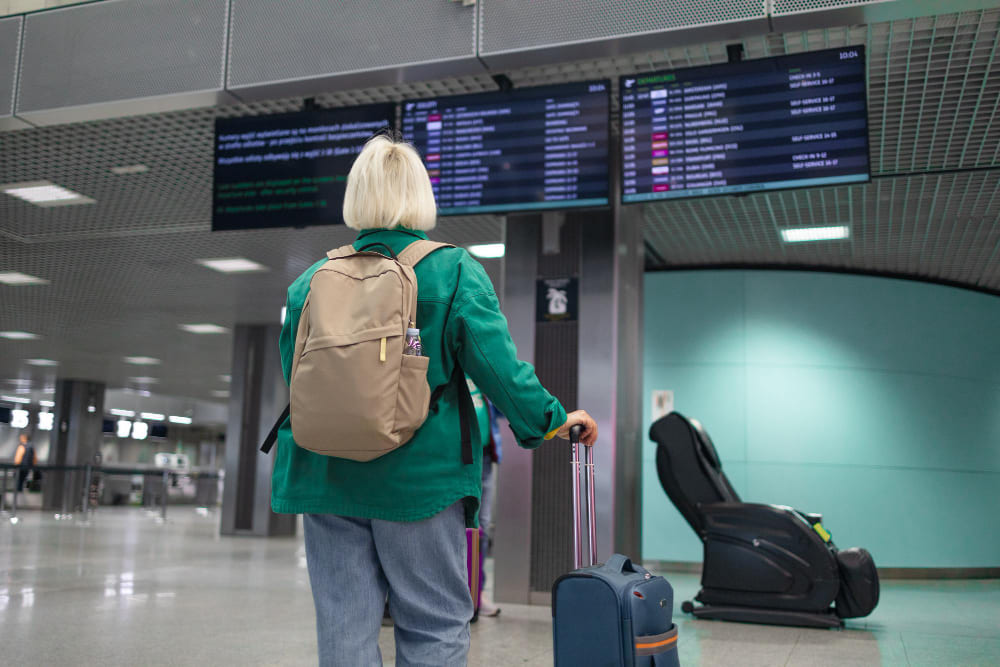 Fonte: Pixabay
Conclusion
Thoughtful packing for tropical climates balances protection from environmental elements with the practicality of traveling light, allowing you to enjoy your destination without being weighed down by excessive luggage or missing crucial comfort items.
The key to comfortable tropical travel lies in selecting versatile items that serve multiple purposes while addressing the specific challenges of heat, humidity, sun exposure, and insects that define these beautiful but demanding environments.
Ultimately, the perfect tropical packing list evolves with experience, as each journey teaches valuable lessons about personal preferences and regional variations that help refine your approach for future adventures in paradise.
Frequently Asked Questions
How many outfits should I pack for a week-long tropical vacation?
Pack 4-5 mix-and-match outfits plus 2 swimsuits, planning to hand-wash quick-dry items midweek rather than overpacking for every possible occasion.What’s the best way to protect electronics in humid tropical environments?
Store devices in silica gel-equipped waterproof cases when not in use, avoid exposing them to direct sunlight, and never leave them in hot vehicles.Are natural or synthetic fabrics better for tropical climates?
Natural fabrics like cotton and linen breathe better, while performance synthetics wick moisture faster—ideally pack a combination based on planned activities.How can I prevent my makeup from melting in tropical heat?
Opt for waterproof formulations, use setting powder or spray, and consider minimalist approaches focusing on tinted sunscreen and waterproof mascara.What medications should I include in a tropical travel first-aid kit?
Pack anti-diarrheal medication, rehydration salts, antihistamines for insect bites, pain relievers, and any prescription medications in their original containers.
