

Four Non Blondes Reunion Shows Spark 90s Rock Revival
The unexpected announcement of Four Non Blondes’ reunion tour has ignited a cultural phenomenon that extends far beyond simple nostalgia, triggering a resurgence of nineties alternative rock across streaming platforms, fashion trends, and inspiring a new generation of musicians to explore the raw, unfiltered sound that defined the era.
How Four Non Blondes Shaped the 90s Alternative Scene
Four Non Blondes emerged during a pivotal moment in music history when alternative rock was challenging mainstream conventions and creating space for authentic, emotion-driven songwriting that resonated with the disillusionment and questioning spirit of Generation X.
Their breakthrough hit “What’s Up” became an anthem for alienation and existential questioning, with Linda Perry’s powerful, raspy vocals and the song’s iconic chorus creating a cultural touchstone that transcended borders and continues to be instantly recognizable nearly three decades later.
The band’s only studio album, “Bigger, Better, Faster, More!” sold over six million copies worldwide despite the group’s brief existence, demonstrating how their authentic approach to songwriting and Perry’s distinctive vocal style created an indelible mark on the music landscape that outlasted their original four-year run.
Linda Perry’s Journey and the Reunion Decision
After the band’s dissolution in 1994, frontwoman Linda Perry embarked on a remarkable behind-the-scenes career as one of music’s most sought-after songwriters and producers, crafting hits for artists like Pink, Christina Aguilera, and Adele while maintaining the authentic artistic vision that characterized her work with Four Non Blondes.
Perry’s initial reluctance to revisit the past gradually transformed as she witnessed the enduring impact of the band’s music, particularly how “What’s Up” continued to resonate with new generations through social media, cover versions, and its persistent presence in popular culture as a symbol of emotional authenticity.
The reunion announcement came after a private jam session where the original members—Perry, bassist Christa Hillhouse, guitarist Roger Rocha, and drummer Dawn Richardson—discovered that the chemistry and musical connection remained intact, convincing them that revisiting their legacy wasn’t merely a nostalgic exercise but an opportunity to reclaim their narrative on their own terms.
The Cultural Impact of the Reunion Announcement
Ticket sales for the announced shows shattered expectations, selling out major venues in minutes and prompting the addition of several dates across North America and Europe, demonstrating the band’s cross-generational appeal and the hunger for authentic nineties alternative rock experiences.
Streaming platforms reported an immediate 400% increase in Four Non Blondes’ catalog plays following the reunion announcement, with particularly strong engagement from listeners aged 18-24 who weren’t even born during the band’s original run but discovered their music through parents, media references, or algorithmic recommendations.
The reunion has sparked a broader revival of nineties alternative rock, with fashion retailers reporting increased demand for flannel, Doc Martens, and band merchandise while contemporary artists cite the band’s raw emotional honesty as an inspiration for moving away from overproduced sounds toward more authentic expression.
Why 90s Rock Nostalgia Resonates Today
The current socio-political climate shares surprising parallels with the early nineties, creating fertile ground for the resurgence of music that questions authority, expresses disillusionment, and offers cathartic release through raw, emotional performances rather than algorithmic perfection.
Today’s listeners, overwhelmed by digital perfection and curated social media personas, are increasingly drawn to the unfiltered authenticity of nineties alternative rock, where technical imperfections were embraced and emotional honesty took precedence over commercial calculation.
Music industry analysts note that the Four Non Blondes reunion represents more than just nostalgia—it offers a blueprint for artistic integrity in an era when musicians struggle to balance commercial viability with authentic expression, demonstrating how genuine emotional connection with audiences can create cultural impact that spans decades.
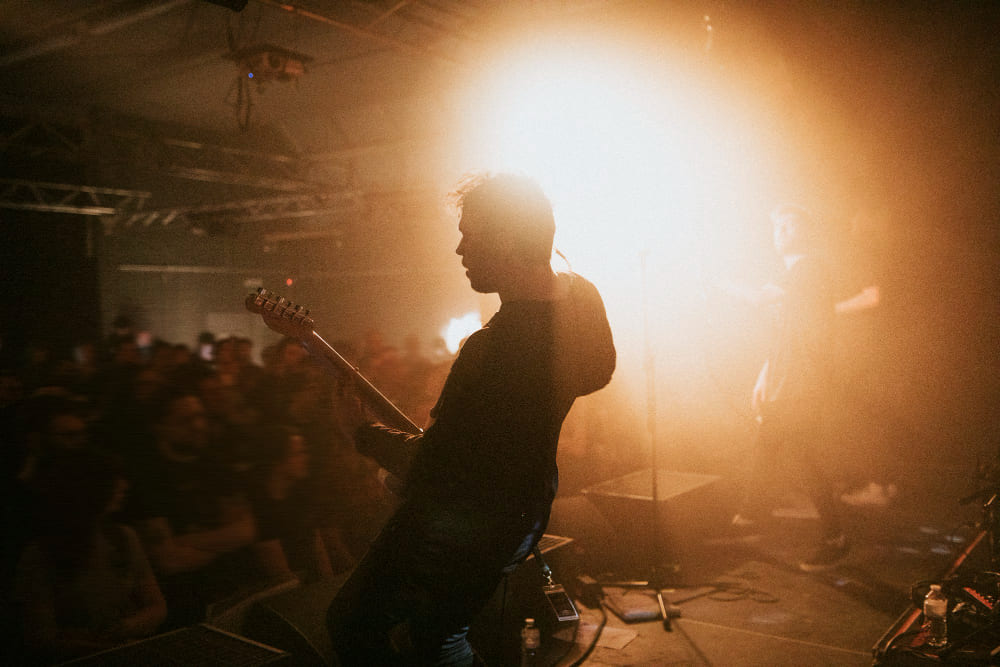 Fonte: Pixabay
Conclusion
The Four Non Blondes reunion has transcended simple nostalgia to become a cultural catalyst, reinvigorating interest in an era of music characterized by authenticity, emotional depth, and artistic integrity that many feel has been lacking in contemporary mainstream offerings.
This revival speaks to the timeless quality of music that prioritizes genuine human expression over commercial calculation, with Linda Perry’s distinctive voice and songwriting continuing to offer catharsis and connection to audiences spanning multiple generations who find themselves asking the same essential question posed in the band’s signature hit: “What’s going on?”
The unexpected cultural impact of this reunion demonstrates how truly authentic artistic expressions can remain dormant but never truly disappear, resurfacing at precisely the moment when their message resonates with new urgency and reminding us that the most powerful music transcends its era to become part of our collective emotional vocabulary.
Frequently Asked Questions
Will Four Non Blondes release new music as part of their reunion?
While the band hasn’t officially confirmed new recordings, Linda Perry has hinted at potential studio sessions following the tour if the creative chemistry remains strong.How did social media contribute to Four Non Blondes’ enduring legacy?
Platforms like TikTok and YouTube revitalized “What’s Up” through viral challenges, covers, and meme adaptations, introducing the song to younger audiences who connected with its emotional authenticity.What influence did Four Non Blondes have on female artists in rock music?
Their success created space for women in alternative rock who didn’t conform to conventional femininity, emphasizing artistic integrity and emotional rawness over image-focused marketing.Are original band members participating in the reunion tour?
Yes, all four original members—Linda Perry, Christa Hillhouse, Roger Rocha, and Dawn Richardson—have committed to the reunion tour, recreating the authentic lineup from their peak years.How are ticket prices comparing to other nostalgic rock reunions?
Despite commanding premium prices averaging $125-250 per standard ticket, the Four Non Blondes reunion shows sold out faster than comparable 90s band revivals, demonstrating their exceptional cultural pull.
