

Essential Planning Tips for a Tropical Country Vacation
Planning a tropical getaway requires thoughtful preparation to ensure your vacation is both enjoyable and stress-free, with smart packing decisions being just the beginning of creating an unforgettable experience in paradise that balances adventure, relaxation, and cultural immersion while avoiding common pitfalls that can derail your trip.
Best Time to Visit Tropical Destinations
Understanding seasonal patterns in tropical regions can dramatically impact your vacation experience, as these destinations typically have distinct wet and dry seasons rather than the traditional four seasons found in temperate climates.
The dry season (generally December through April in many tropical locations) typically offers sunny days perfect for beach activities and outdoor adventures, though this period also coincides with higher prices and larger crowds at popular resorts and attractions.
Shoulder seasons—those weeks just before or after peak tourist times—often provide the ideal balance of good weather, lower prices, and fewer tourists, allowing you to enjoy tropical beauty without battling hordes of other vacationers for space on the beach.
Essential Packing Strategies for Tropical Climates
Lightweight, breathable clothing made from natural fibers like cotton and linen should form the foundation of your tropical vacation wardrobe, as these materials allow air circulation and help manage the high humidity levels common in equatorial regions.
Sun protection deserves special attention when packing, so include a wide-brimmed hat, high-SPF sunscreen (reef-safe if you’ll be swimming near coral), UV-blocking sunglasses, and perhaps a light long-sleeved cover-up for when you’ve had enough direct sun exposure.
Don’t underestimate the importance of proper footwear—pack comfortable walking sandals for everyday use, water shoes for rocky beaches or snorkeling, and at least one pair of closed-toe shoes for hiking or evening activities at restaurants with dress codes.
Consider the cultural norms of your destination when packing, as many tropical countries, despite their warm climate, may have conservative dress expectations for visiting religious sites or rural communities away from tourist beaches.
Health Precautions for Tropical Travels
Schedule a consultation with a travel medicine specialist at least 4-6 weeks before your departure to discuss necessary vaccinations and preventive medications specific to your tropical destination’s health risks.
Mosquito-borne illnesses like dengue fever, Zika, and malaria remain concerns in many tropical regions, making it essential to pack effective insect repellent containing DEET, wear long sleeves and pants during dawn and dusk, and possibly sleep under mosquito netting depending on your accommodation.
Staying hydrated becomes particularly crucial in tropical climates where you’ll perspire more than usual, so carry a reusable water bottle everywhere, consume more water than you think you need, and be cautious about ice and tap water safety in regions with questionable water purification systems.
Understanding Tropical Weather Patterns
Tropical rainstorms often follow predictable patterns, frequently occurring in the afternoon for a short duration before clearing up, which means planning indoor activities or rest time during these typical downpour windows can maximize your vacation enjoyment.
Hurricane or cyclone seasons vary by region but generally run from June to November in the Caribbean and May to October in parts of the Pacific, making it crucial to research these patterns and consider travel insurance with weather-related coverage if visiting during these periods.
Despite the reputation for constant sunshine, tropical destinations can experience significant temperature drops in the evenings or at higher elevations, so packing a light sweater or jacket ensures you remain comfortable during unexpected cooler periods.
Cultural Awareness and Local Customs
Learning a few basic phrases in the local language demonstrates respect and often results in warmer interactions with residents, even if it’s just “hello,” “please,” “thank you,” and “the food is delicious” in the native tongue of your destination.
Many tropical countries operate on “island time” or a more relaxed schedule than Western visitors might expect, so embracing this cultural difference rather than fighting against it can significantly reduce your stress levels and enhance your vacation experience.
Research appropriate tipping customs before arrival as practices vary widely across tropical destinations, with some places building service charges into bills while others rely heavily on tourism tipping to supplement low wages in the hospitality industry.
Budget Planning Beyond the Basics
Currency exchange rates can significantly impact your vacation budget, so research whether your destination offers better rates for cash exchanges, credit card use, or ATM withdrawals, and notify your bank of travel plans to prevent card blocks on foreign transactions.
Transportation costs within tropical destinations can quickly exceed expectations, especially for island nations where water taxis or domestic flights may be necessary, so researching these expenses and possibly pre-booking transport can prevent budget surprises.
Many tropical destinations have a dual pricing structure with significantly higher costs in tourist zones compared to local areas just a short distance away, making it worthwhile to venture beyond resort boundaries for more authentic and affordable dining and shopping experiences.
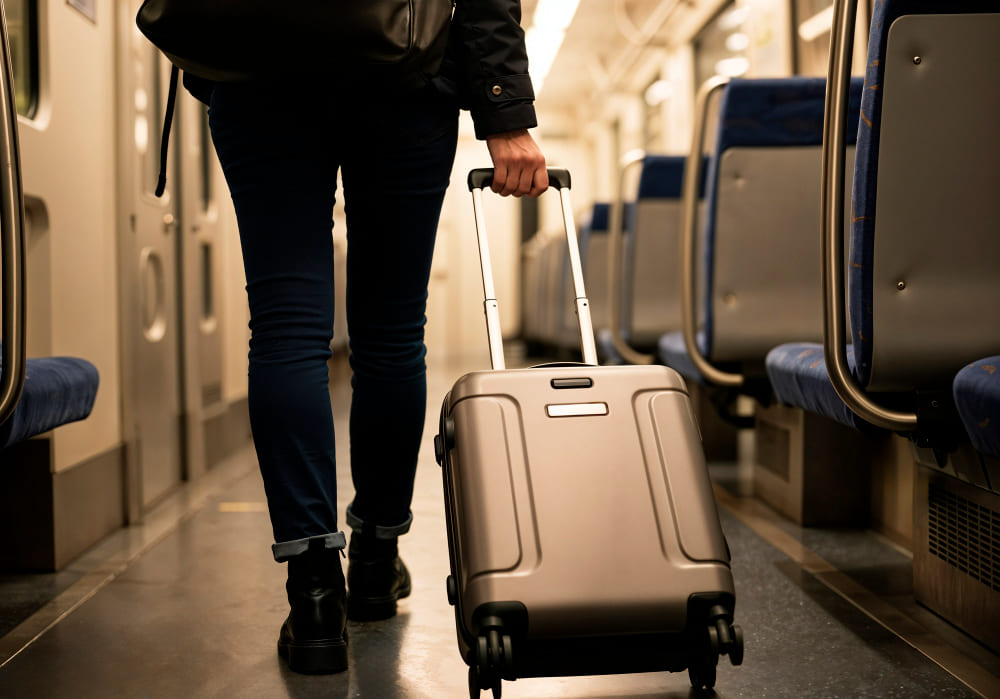 Fonte: Pixabay
Conclusion
Thorough preparation for a tropical vacation extends beyond simply booking flights and accommodations, requiring thoughtful consideration of seasonal timing, appropriate packing, health precautions, and cultural awareness to truly maximize your experience in paradise.
Creating a flexible itinerary that balances structured activities with free time allows you to embrace spontaneous opportunities while ensuring you don’t miss must-see attractions, ultimately leading to a more satisfying and stress-free tropical getaway.
The effort invested in pre-trip planning pays dividends through smoother travel experiences, fewer unexpected expenses, and greater cultural immersion, transforming what could be just another beach vacation into a rich, memorable adventure that respects both the destination and its people.
Frequently Asked Questions
How far in advance should I book accommodations for a tropical vacation?
For peak season (typically December-April), book 6-9 months ahead for best selection and prices, while shoulder seasons allow more flexibility with 3-4 months’ advance booking.What’s the best way to protect electronic devices in humid tropical environments?
Store electronics in waterproof cases or dry bags, use silica gel packets to absorb moisture, and consider purchasing humidity-resistant cases for phones and cameras.Should I exchange currency before traveling or use ATMs at my tropical destination?
Generally, using ATMs at your destination offers better exchange rates than pre-trip currency exchange, but bring a small amount of local currency for immediate needs upon arrival.How can I respectfully photograph people in tropical destinations?
Always ask permission before photographing locals, learn about cultural sensitivities regarding photography, and consider purchasing handicrafts or offering printed photos as a thank-you gesture.What’s the most effective way to prevent mosquito bites in tropical regions?
Combine EPA-registered repellents containing DEET or picaridin with physical barriers like long, loose clothing, permethrin-treated gear, and sleeping under mosquito nets in areas without air conditioning.
